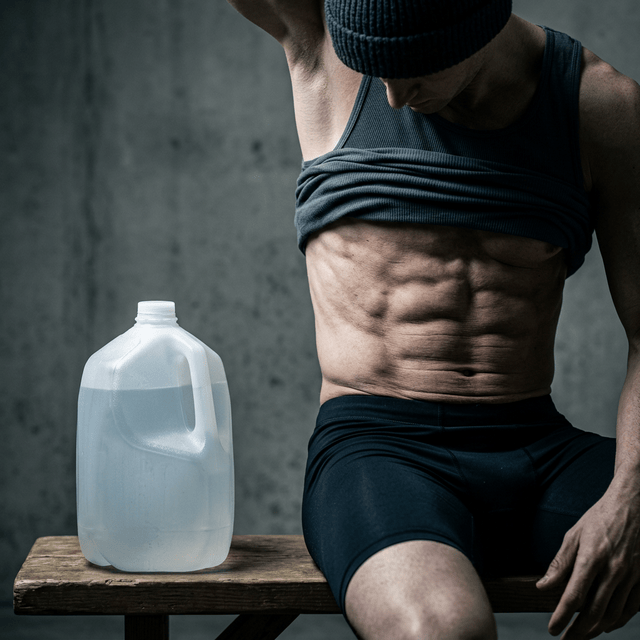
Peak Week Water Manipulation: Danger vs Reward
Water Cutting for Naturals: Science vs. Bro Science
The final stage of preparation for a natural bodybuilding competition, frequently referred to as “peak week,” constitutes a high-stakes period where athletes attempt to transition from a state of chronic energy restriction to a state of maximal intramuscular fullness and minimal subcutaneous fluid. For the natural athlete, this process is fraught with difficulty because the physiological tools available—nutrition, hydration, and electrolyte balance—are subject to the body’s rigorous homeostatic defence mechanisms. Unlike enhanced competitors who may utilise pharmaceutical diuretics, insulin, or other exogenous agents to bypass these safeguards, natural bodybuilders must work within the parameters of endogenous endocrinology and renal physiology.
The dichotomy between “science” and “bro science” is most evident during this extremely vulnerable period. Many traditional peaking protocols originate from drug-enhanced environments. When applied to drug-free physiques, these strategies can be physically devastating, aesthetically counterproductive, and profoundly dangerous. By understanding the precise biological realities of peak week water loading, competitors can avoid sacrificing months of intense preparation for a flat, depleted showing on stage.
The Biophysics of Muscle Fullness and Glycogen Supercompensation
The primary aesthetic goal during peak week is the maximisation of muscle volume, characterised as “fullness” or “roundness.” This optical illusion of size and density is attained strictly through the manipulation of muscle glycogen, the primary storage form of carbohydrates in skeletal muscle. Physiologically, glycogen is not stored in a vacuum or as a dry powder; it is a highly hydrated complex. This relationship between glycogen and water represents the foundational principle of physique peaking.
Research indicates that for every gram of glycogen stored in the muscle cell, approximately 3g of water is pulled into the intracellular space through powerful osmotic forces. Consequently, the successful loading of 500g to 800g of carbohydrates can theoretically sequester up to 1.5 to 2.4 litres of water strictly within the muscle tissue. This massive inward rush of fluids leads to a significant expansion of the muscle belly and a consequential “tightening” of the overlying skin, rendering the physique “dry” and heavily striated.
A failure to comprehend this basic premise is the downfall of countless natural athletes. Attempting to restrict water intake while consuming immense amounts of dry carbohydrates paralyses the supercompensation process. Without exogenous water to bind to the glucose molecules, glycogen cannot be synthesised. The carbohydrates simply stagnate within the gastrointestinal tract, causing severe digestive distress, profound bloating, and an intensely counterproductive “flatness” across the musculature. For peak week water loading to be effective, high-volume fluid intake must stubbornly accompany the carbohydrate surge.
Subcellular Distribution of Glycogen and Water
Recent investigations into muscle morphology have revealed that glycogen is heterogeneously distributed within muscle fibres across three distinct compartments: the intramyofibrillar, intermyofibrillar, and subsarcolemmal spaces. To achieve the heavily coveted “3D” aesthetic on stage, each of these compartments must be filled to its absolute thermodynamic limit.
The time course for achieving full intramuscular saturation, known as “supercompensation,” typically ranges from 48 to 72 hours following the cessation of glycogen-depleting exercise and the initiation of high carbohydrate intake. This lag time is critical and represents a primary margin of error for novice competitors. Athletes who attempt to randomly “load” carbohydrates the night before a show often fail to reach peak fullness because the glucose and associated water remain painfully trapped in the digestive tract or the interstitial space. This phenomenon leads to a heavily “watery” or “soft” appearance ominously known as “spillover”.
The process of glycogenesis is governed directly by several enzymatic factors, including the activity of the glucose transporter protein GLUT-4 and the enzyme glycogen synthase. During the initial “depletion phase” of peak week, athletes often engage in high-volume, glycogen-depleting exercise while intentionally consuming critically low amounts of carbohydrates—typically 1-2g per kilogram of body weight or demonstrably less.
This extreme metabolic stressor exponentially upregulates GLUT-4 translocation to the cell membrane. This dynamic effectively “primes” the muscle to absorb glucose at a supra-physiological rate once the loading phase properly begins. For the natural athlete, this biochemical rebound effect is the only safe and mathematically viable way to achieve the three-dimensional “pop” required for competitive success. When executed with precision, the body acts as a biological sponge, diverting all ingested nutrients and fluids precisely where they are needed.
Renal Physiology and the Hazard of Water Cutting
The most pervasive and definitively dangerous “bro science” myth in all of bodybuilding is the presumed requirement for “water cutting” or drastic dehydration in the final 24 to 48 hours before a contest. This archaic practice is based on the entirely flawed assumption that arbitrarily reducing fluid intake will somehow selectively remove “water under the skin” (subcutaneous water) whilst simultaneously sparing the water locked inside the muscle belly. However, fundamental human physiology absolutely does not permit such target compartmentalisation during states of systemic dehydration.
The Homeostatic Response to Dehydration
The human body maintains stringent water balance through a highly complex, evolutionary interplay of the Renin-Angiotensin-Aldosterone System (RAAS) and the rapid secretion of Antidiuretic Hormone (ADH), clinically known as vasopressin. When an athlete recklessly cuts water, the resulting severe drop in blood pressure and concurrent increase in plasma osmolality trigger the posterior pituitary gland to release massive surges of ADH.
ADH promptly acts on the collecting ducts of the kidneys to aggressively increase the expression of aquaporin-2 channels. These channels effectively scavenge and reabsorb water back into the bloodstream to prevent cardiovascular collapse. Simultaneously, the adrenal cortex releases Aldosterone, a potent hormone which directly promotes the intense reabsorption of sodium in the distal tubules.
This hormonal cascade is a brilliant, life-saving defensive “rebound” mechanism, but it is an absolute nightmare for aesthetic presentation. By cutting water, the athlete inadvertently signals the body to panic and hold onto every available drop of fluid in the extracellular spaces. Because raw muscle tissue is approximately 70% to 75% water, severe dehydration relentlessly pulls fluid out of the muscles to maintain vital blood volume. This inevitably leads to a pathetically flat, small, and stringy appearance under stage lighting. Furthermore, the limited water that is retained via extreme Aldosterone elevation is often disproportionately sequestered in the interstitial (extracellular) space. This results in the exact “soft,” blurred, or “watery” look the desperate athlete was ironically trying to avoid in the first place.
Quantitative Shifts in Fluid Compartments
A seminal case study focusing exclusively on a highly competitive natural bodybuilder utilising bioimpedance spectroscopy (BIS) demonstrated that a strictly evidence-based approach—maintaining high hydration while simultaneously loading massive amounts of carbohydrates—could successfully shift immense fluid volumes from the extracellular directly to the intracellular compartment.
| Variable | Change from 3 Days Out to Show Day | Significance |
|---|---|---|
| Intracellular Water (ICW) | +1.5L (Average Increase) | Increased muscle volume, density, and immense thickness |
| Extracellular Water (ECW) | -0.5L (Average Decrease) | Noticeably reduced “blurring” of sharp muscle definition |
| ICW:ECW Ratio | Significantly Improved | The optimal physiological scenario for a visually striking “peak” |
| Subcutaneous Thickness (ST) | -10mm (Sum of 7 skinfold sites) | Markedly increased “dryness” absolutely without dehydration |
| Triceps ST | -2mm | Drastic, highly localised reduction in regional water film |
These compelling data sets suggest overwhelmingly that visual “dryness” on stage is strictly a function of fluid distribution, absolutely not fluid volume. When a natural athlete is well-hydrated and aggressively carbohydrate-loaded, the potent osmotic pressure of the glycogen situated within the muscle aggressively “pulls” interstitial water away from the subcutaneous space directly into the heavily primed cell. Systemic dehydration brutally disrupts this essential osmotic gradient, making the muscle look disturbingly “flat” while leaving the overlying skin looking “loose” and poorly attached.
Electrolyte Manipulation: Sodium, Potassium, and Cardiovascular Risk
Nutritional electrolyte manipulation is frequently entirely misguided in “bro science” circles as a magical method to suddenly “harden” the physique. The staggeringly common standard advice often involves reckless “sodium loading” early in the peak week, followed abruptly by severe “sodium depletion” and lethal “potassium loading” leading right into the show. From an uncompromising sports science perspective, this protocol is not only vastly counterproductive but potentially life-threatening to a depleted athlete.
The Underappreciated Role of Sodium in Carbohydrate Transport
Sodium is the primary extracellular cation and is fundamentally essential for generating the vascular “pump” that bodybuilders desperately desire on show day. Beyond vascularity, sodium acts as a required, non-negotiable co-transporter for the initial absorption of glucose in the small intestine via the SGLT1 (Sodium-Glucose Linked Transporter 1) protein.
If an amateur athlete drastically depletes systemic sodium while aggressively attempting to “carb load,” they will immediately experience disastrously poor carbohydrate absorption. The glucose will ferment in the gut rather than replenishing muscle tissue, thereby ensuring a complete failure to reach maximal muscle fullness. Moreover, clinically low sodium levels directly lead to a precipitous drop in total plasma volume. This instantly reduces the physical visibility of veins (vascularity) and makes it biologically impossible to achieve an adequate “pump” backstage before the crucial posing performance.
The Lethal Danger of Potassium Loading
The most demonstrably dangerous peak week practice is the heavily propagated attempt to blindly “load” potassium while entirely restricting sodium intake. While potassium is undeniably the primary intracellular cation, the human body tightly regulates the precise ratio of Na+ (Sodium) to K+ (Potassium) strictly via the Na+/K+-ATPase pump system.
Aggressive, uncalculated potassium supplementation in the overt presence of low dietary sodium and systemic dehydration can rapidly lead to hyperkalaemia. This is a severe medical condition where blood potassium levels reach highly toxic heights. Hyperkalaemia profoundly interferes with the basic electrical conductivity of the heart muscle, leading directly to cardiac arrhythmias and, in tragically documented cases among competitive bodybuilders, sudden and fatal cardiac arrest.
Natural athletes must recognise that whole-food sources of potassium (e.g., standard consumption of potatoes, bananas, and lean meats) are more than sufficient. The “extreme” graininess and highly vascular look of untested IFBB professionals is often achieved via dangerous pharmaceutical diuretics that carry an entirely different risk profile. Naturals cannot safely mimic these protocols.
| Electrolyte | Primary Action during Peak Week | Severe Aesthetic Consequence of Deficiency |
|---|---|---|
| Sodium (Na+) | Maintains blood volume, heavily aids rapid glucose transport | Severe flatness, complete loss of vascularity, immense “fainting” risk |
| Potassium (K+) | Drives critical intracellular osmosis, aids muscle contraction | Sudden muscle weakness, catastrophic cramping, severe cardiac risk |
| Magnesium (Mg2+) | Regulates crucial muscle relaxation and ATP formulation | Severe full-body cramping, heavily “shaky” and unstable posing |
| Calcium (Ca2+) | Absolutely essential for primary muscle fibre cross-bridging | Noticeably weak “peak” contraction during mandatory posing |
Critical Evaluation of “Natural” Diuretics
In a misguided attempt to strictly avoid the explicit dangers of pharmaceutical diuretics, many natural competitors inevitably turn to over-the-counter “natural” alternatives. Substances such as Dandelion Root (Taraxacum officinale), Uva Ursi, or exceptionally high-dose Vitamin C are extremely common. While these are often falsely marketed as entirely “safe,” their actual physiological efficacy and overall safety are frequently deeply misrepresented by supplement manufacturers.
Vitamin C and Dandelion Root Fallacies
High doses of Vitamin C are sometimes utilised—often in staggering doses ranging from 1,000mg to 2,000mg per day or more—specifically to exploit its mild diuretic, kidney-flushing effect. While Vitamin C is generally regarded as safe in moderation, excessive megadoses in a dehydrated state can quickly cause severe gastrointestinal distress. This inevitably leads to profound bloating, aggressive gas, and intense abdominal distension—which is the absolute opposite of the incredibly “tight,” vacuumed waist desired by judges on stage.
Dandelion root represents a distinctly more potent herbal diuretic that explicitly increases urine production by targeting the kidneys. However, extensive reports from high-level natural competitors indicate that dandelion root almost always causes significant, uncontrollable “flattening” of the entire physique. Why? Because it indiscriminately removes critical water from the entire systemic loop, including the muscular compartments.
Without the explicit use of exogenous insulin or potent Anabolic Androgenic Steroids (AAS) to artificially “hold” forced muscle volume intact, the natural athlete is far more susceptible to the catastrophic negative aesthetic effects of ANY diuretic agent, whether herbal or highly synthetic. A natural muscle devoid of systemic fluid is a small, stringy muscle.
Hyperhydration and Osmolytes: The Role of Glycerol
Moving vastly away from dangerous depletion protocols, an emerging, highly evidence-based strategy for dramatically enhancing stage muscle fullness without the associated risks of severe dehydration is the strategic use of glycerol. Glycerol is a simple trihydroxy alcohol that fundamentally acts as a massively potent osmolyte within human tissues.
When correctly ingested with suitably large volumes of water (for example, approximately 10ml per kilogram of body weight coupled heavily with 1-2 litres of additional fluid), glycerol is rapidly absorbed and strategically distributed throughout all major body fluid systems. This drastically increases the massive osmotic pressure of both the plasma matrix and the intracellular muscular compartments.
The “Olympia Pump” Protocol
This highly technical process, clinically known as “hyperhydration,” allows the prepared athlete to temporarily sequence and hold an incredible additional 1 to 2 litres of water deep within the vascular and intracellular spaces. For a deeply conditioned natural bodybuilder, this securely manifests as extreme, striking vascularity and highly impressive “skin-splitting” pumps during the final judging. Unlike highly traditional “water loading” paradigms, which errantly aim to blindly flush the system empty, glycerol hyperhydration deliberately aims to intensely expand it.
- Mechanism of Action: Glycerol fundamentally increases the aggressive reabsorption of water directly in the kidneys’ proximal tubules and the descending limb of the Loop of Henle. This distinctly reduces urine output whilst total systemic fluid intake remains massively high.
- The Protocol: Advanced natural athletes typically ingest pure liquid glycerol approximately 2 to 4 hours before stepping onto the stage. It is often intelligently paired with a small, measured amount of sea salt and ultra-fast simple carbohydrates to maximally force the rapid fluid shift directly into the starved muscle belly.
- Severe Risks of Misapplication: If glycerol is consumed abruptly without vastly adequate accompanying water, the glycerol will violently act as a reverse-osmotic agent. It will quickly cause “osmotic diarrhoea” or aggressively draw remaining water out of the muscular tissues directly into the gut. This results in severe, debilitating dehydration, violent gastrointestinal cramping, and the immediate destruction of the stage physique.
Case Study: Metabolic and Hormonal Recovery Post-Peak
The incredible physical toll of correctly reaching a “peak” state naturally cannot be overstated. A landmark, long-term clinical study following a strict drug-free bodybuilder over a grueling 18-week preparation showed conclusively that by the time of peak week, major physiological markers were dangerously and significantly depressed.
| Critical Marker | Baseline (Off-Season) | Peak Week (Week 18) | Post-Show Recovery (Week 22) |
|---|---|---|---|
| Total Serum Testosterone | Normal / Optimal | Sub-clinically Low (<300 ng/dL) | Slowly Recovered to Target Baseline |
| Free T3 (Active Thyroid) | Normal / Thriving | Clinically Low & Suppressed | Rapid Initial Recovery with Caloric Intake |
| Resting Heart Rate (bpm) | 50 bpm (Strong athlete) | 40 bpm (Severely Depressed) | Gradually Normalized |
| Core Body Temperature | 37 °C | 36 °C (Metabolic Adaptation) | Normalized post-refeed |
| DEXA Assessed Body Fat | 12% | 4-5% (Extreme Depletion) | 10% (Healthy sustainable range) |
These striking clinical findings highlight heavily that the natural athlete is existing in a fragile, highly compromised metabolic state during peak week. The introduction of extreme, reckless water or salt manipulation aggressively adds monumental additional stress to a biological system already fundamentally compromised by near-zero thyroid output and crashed testosterone levels. Attempting a massive dehydration protocol in this state can easily lead to severe fainting, hypovolemic shock, or a catastrophic metabolic “crashing” immediately following the competitive event. Respect the biochemistry.
The Psychological Warfare of Peak Week: Managing Cortisol
While the physiological mechanics of glycogen supercompensation and renal water handling are thoroughly documented, the single most destructive variable during peak week is rarely discussed in clinical terms: acute psychological stress and the resultant cortisol cascade. The natural athlete, already existing in a state of severe caloric deficit and chronic fatigue, is extraordinarily susceptible to the massive aesthetic destruction caused by stress hormones.
Cortisol and Subcutaneous Edema
Cortisol is the body’s primary glucocorticoid, released by the adrenal cortex in direct response to both intense physical and severe psychological stressors. In a healthy, fed state, cortisol follows a predictable, healthy diurnal rhythm. However, during the final, gruelling week of contest preparation, the immense physiological stress of the starvation diet heavily combined with the acute psychological anxiety of the impending competition can easily cause cortisol levels to remain chronically elevated throughout the entire day and night.
The catastrophic aesthetic effect of chronic cortisol elevation is its profound mineralocorticoid cross-activity. In heavily high concentrations, blood cortisol can actually bind directly to the mineralocorticoid receptors located intensely in the kidneys—the exact same receptors normally targeted exclusively by aldosterone. This aggressive cross-reactivity forcefully signals the kidneys to aggressively retain systemic sodium and excrete critical potassium, ultimately leading directly to significant, highly stubborn extracellular water retention. This is precisely why an overly stressed, totally panicked competitor will inexplicably wake up on show day looking “spilled over,” heavily “filmy,” or utterly “watery,” completely despite adhering flawlessly to their rigidly prescribed nutritional protocol.
Mitigating the Destructive Stress Response
To actively prevent devastating cortisol-induced water retention, the truly elite natural athlete must fundamentally treat acute psychological management with the exact same clinical precision and immense respect as their meticulous macronutrient intake.
- Protecting Sleep Architecture: Deep, entirely restorative sleep remains the human body’s single primary mechanism for efficiently clearing excess circulating blood cortisol. Unfortunately, severe biological caloric restriction frequently triggers widespread, highly debilitating neurochemical insomnia. Athletes must rigidly and mercilessly prioritize extreme sleep hygiene. This means completely removing all blue light exposure hours before bed, maintaining a heavily cold sleeping environment, and potentially intelligently utilising completely natural anxiolytics such as high-quality Ashwagandha (Withania somnifera) or L-Theanine to forcefully and successfully downregulate the hyperactive sympathetic nervous system.
- Travel and Competition Logistics: The sheer chaotic logistics of physically travelling to a remote venue, registering on schedule, acquiring tanning applications, and navigating the often-hectic backstage chaos can instantly trigger a massive, physique-ruining cortisol spike. An elite, truly professional natural protocol strictly requires all travel and accommodation logistics to be entirely finalised and heavily locked down literally days in advance. The athlete should spend the final 48 critical hours in a state of deliberate, highly protected psychological isolation, vehemently avoiding any and all unnecessary emotional turbulence or physical exertion.
- The Inherent Danger of “Over-Posing”: While absolutely perfect posing practice is obviously mandatory for stage presentation, aggressively hitting highly flexed, intense compulsory poses for hours directly before a show is an incredibly intense isometric workout. This aggressive action not only rapidly burns the exact vital glycogen the athlete is desperately trying to intricately store, but also abruptly triggers a massive, systemic muscular stress response. Posing explicitly during peak week must absolutely be highly calculated, intensely short in total duration, and primarily focused exclusively on muscle memory and neuro-muscular recruitment rather than brutal isometric endurance.
Female-Specific Considerations: Estrogen, Progesterone, and Water Retention
The overwhelming, vast majority of highly traditional peaking protocols and pervasive “bro science” have been aggressively developed exclusively through the long-term anecdotal observation of strictly male competitors. Applying these exact same male-centric templates entirely blindly to female natural competitors is a fundamental, catastrophic failure of basic physiological understanding. A female athlete’s deeply complex systemic fluid dynamics are entirely and completely subjugated by the intricate, highly volatile, and powerful hormonal fluctuations of her natural menstrual cycle.
The Overwhelming Role of Sex Hormones in Fluid Dynamics
Both estrogen and progesterone exert profoundly intense, aggressively competing effects directly on systemic fluid balance, specifically fundamentally dictating how the sensitive female body physically partitions heavy amounts of water between the intracellular muscular compartments and the extracellular subcutaneous layers.
- The Mechanics of Estrogen: Natural estrogen is a highly potent biological vasodilator and inherently possesses a very distinct, powerful capacity to aggressively increase overall extracellular fluid volume. While it also highly upregulates early, efficient glycogen storage specifically in skeletal muscle, it simultaneously inherently promotes heavy systemic sodium retention by actively and indirectly stimulating the RAAS (Renin-Angiotensin-Aldosterone System) physiological pathway.
- The Utility of Progesterone: Progesterone, conversely, directly acts as a fundamentally intrinsic, highly natural diuretic by aggressively and competitively antagonising the critical renal mineralocorticoid receptors (effectively blocking the action of aldosterone). However, a sudden, precipitous drop in circulating progesterone (such as the drop occurring immediately before menstruation begins) uniquely causes a highly vicious, aggressive cellular rebound effect. This leads directly to severe, rapid-onset systemic bloating, extreme discomfort, and immense masking water retention.
Mandatory Phasic Adjustments to the Peak
If a female competitor’s predetermined peak week happens to tragically align directly with the luteal phase of her specific cycle (specifically the notoriously volatile late luteal phase, occurring precisely before active menstruation), she will absolutely be fighting an incredibly massive, undeniably steep uphill battle against profound, hormonally-driven water retention. The heavily standard protocol of aggressively loading massive, abrupt amounts of carbohydrates must logically be severely and decisively modified.
During this highly specific phase of high-fluid-retention, blindly attempting a massive, aggressive carbohydrate load will almost certainly rapidly result in catastrophic visual “spillover.” Why? Because the massive amount of water aggressively drawn in concurrently by the ingested glucose will relentlessly pool heavily in the prominently thickened subcutaneous layer, rather than cleanly penetrating the sealed muscle belly. Instead, female athletes caught entirely in this highly distinct biological phase must drastically and wisely rely on a vastly more conservative, exceptionally slow, and methodical “trickle” load of highly measured carbohydrates spread evenly across the entire seven-day week. This must absolutely be coupled directly with heavily stabilised, entirely unchanging sodium levels. Explicitly ignoring the complex nuances of the female hormonal cycle directly during peak week remains the single, undisputed greatest cause of highly conditioned female competitors tragically stepping on stage looking completely “soft,” despite actually having painstakingly achieved phenomenally low, stage-ready body fat percentages.
The Rebound: Post-Show Edema and Metabolic Damage Mitigation
The clinical medical danger of extreme water manipulation absolutely does not abruptly or magically terminate the incredibly exact moment the exhausted athlete steps confidently off the competition stage. In terrifying actual fact, the most deeply physically dangerous, biologically perilous period of the entire gruelling competitive season typically aggressively occurs directly in the immediate 72 hours following the major event. In advanced medical bodybuilding circles, this terrifying period is commonly and ominously referred to exclusively as the extreme “post-show rebound.”
The Horrific Pathology of Extreme Post-Contest Edema
Following endless, utterly brutal months of outright physiological starvation and the highly acute, intense physiological trauma explicitly caused by any degree of a peak week protocol, the fragile athlete’s exhausted body is fiercely, biologically primed to aggressively hoard both immense fat and massive water at an unprecedented, incredibly alarming, and highly accelerated biological rate. When the contest officially concludes, exhausted competitors almost universally, tragically engage in rampant, massive, uncontrolled binge eating—routinely consuming tens of thousands of raw calories consisting entirely of highly processed, intensely hyper-palatable, and shockingly high-sodium garbage foods in a terrifyingly chaotic span of mere hours.
This sudden, incredibly violent, and massive influx of dense raw carbohydrates and colossal systemic fluid and sodium entirely, utterly overwhelms the critically depleted kidneys and the heavily down-regulated, highly sensitive gastrointestinal tract. The immediate biological end-result is profound, medically dangerous systemic cellular edema. It is incredibly, terrifyingly common for a completely natural, previously shredded athlete to drastically gain 10 to 15 pounds of pure, stagnant fluid in a highly shocking 48 hours completely post-show.
This terrifying occurrence is absolutely not simply a minor, frustrating cosmetic issue; it is a profound, life-threatening medical vascular crisis. This extreme, rapid, massive fluid shift dangerously and aggressively increases massive systemic blood pressure, rapidly places monumental hydraulic strain directly on the highly fragile cardiovascular system, and frequently, explicitly causes intense “pitting edema” deep in the lower extremities. This occurs where actively pressing a thumb firmly into the swollen calf or ankle physically leaves a deep, horrifying, lingering physical indentation in the flesh that refuses to quickly rebound.
Highly Strategic Critical Exit Protocols
To completely and safely avoid the utterly catastrophic cardiovascular health consequences and severe, lingering psychological depression and trauma of extreme post-show rebound vascular edema, the intelligent natural athlete must forcefully, rigidly implement a heavily regimented exit strategy literally immediately following the conclusion of the final show.
- The Heavily Controlled Celebration: The absolute mandatory post-show meal absolutely must be strictly limited entirely to exactly one designated, finite, and highly carefully planned feeding window. It should absolutely never, under any circumstances, devolve violently into a chaotic, multi-day, sickening blackout binge of uncontrolled eating.
- Immediate Aggressive Hydration Stabilisation: The athlete must aggressively, forcefully continue to consciously drink massive, copious volumes of unflavoured plain water (minimum 4 to 6 litres daily). This acts strictly to help the massively over-stressed renal cascade and struggling kidneys critically and safely flush the immense, toxic accompanying sodium load directly from the intense celebration meals immediately out of the vascular system.
- The Mandatory “Reverse Diet” Implementation: The very next day, actively pushing aside extreme fatigue, the truly professional athlete must rapidly, immediately return exactly to a highly structured, distinctly regimented “reverse diet” physiological plan. This strict plan explicitly involves a highly slow, intensely controlled, and heavily measured, microscopic increase in daily caloric macro intake. This crucial, calculated protocol deliberately and permanently moves the fragile athlete slowly away from the extreme starvation biological baseline, doing so completely without triggering massive, uncontrolled, rapid fat storage and highly destructive, painful fluid retention. This highly controlled, clinical ascent safely out of the deep metabolic abyss is arguably vastly, infinitely more critical to the natural athlete’s long-term overarching cardiovascular and endocrine longevity than the exact execution of the actual peak week itself.
Practical and Actionable Peak Week Advice for Naturals
Based squarely on the highest synthesis of modern sports science research, clinical data, and decades of elite coaching feedback, the following core guidelines provide a highly safe, totally drug-free framework for peaking the physique. These explicit strategies aggressively avoid the monumental hazards of standard “bro science” while expertly maximizing the absolute physiological potential of the natural bodybuilder.
- Prioritise Brutal Condition Over Cheap Manipulation: Peaking is strictly a process of “polishing” an already finished, deeply refined product. If an athlete is not at a true, undeniable 4-5% body fat (for males) complete with deeply visible gluteal striations, absolutely no amount of last-minute water manipulation will ever create the highly coveted “dry” look. Subcutaneous fat functionally holds immense water and cannot be magically “dried out.” Be lean first; manipulate later.
- The Superior “Front Load” Strategy: For all natural athletes, executing a “front load” (aggressively increasing carbohydrates extremely early in the week, e.g., Monday through Wednesday) is intrinsically and vastly safer than a panicked “back load.” This highly calculated strategy allows the natural athlete to reach maximal baseline fullness by early Thursday or Friday. This crucial timeline provides an invaluable built-in time buffer to carefully “dry out” organically or heavily adjust if they have accidentally over-consumed and currently visually look “soft.” Crucially, it surgically removes the immense psychological stress of attempting to blindly time a perfect peak to the exact hour on a chaotic Saturday morning.
- Abolish Sodium Depletion - Maintain Stability: Vehemently avoid the massive, lingering urge to abruptly cut dietary salt. You must keep total sodium intake rigorously consistent at approximately 3000mg to 4000mg per day meticulously throughout the entire final week. On the actual morning of show day, consuming a dense “bolus” of heavy sodium (approximately 1000mg, often straight sea salt) immediately alongside a measured pre-stage meal can aggressively enhance major vascularity. This heavily assists the backstage “pump” by drastically increasing targeted intravascular blood volume directly when it is needed.
- Demanding High-Volume Hydration: Do not, under any circumstances, critically restrict your daily water intake. Natural, glycogen-depleted muscles rigorously require immense water strictly to stay full, round, and hard. A standard intake of roughly 4 to 6 litres per day (heavily dependent on total body surface area) should be strictly maintained directly until the early morning of the actual show. On show day itself, simply drinking cleanly to base thirst and deliberately using small, controlled sips between meals is entirely sufficient to easily maintain heavy baseline fullness without abruptly causing tragic abdominal distension on stage.
- Strictly Avoid Unnecessary Novelty: Peak week is absolutely not the acceptable time to suddenly introduce untested new supplements, highly “exotic” obscure carbohydrate sources, or to blindly swallow massive, dangerous amounts of untested “natural” diuretics simply because of locker-room gossip. The body’s digestive system is heavily and uniquely hypersensitive during this depleted period. Rigorously stick strictly to only those specific foods that have been repeatedly and successfully utilised heavily throughout the entirety of the long diet phase. This perfectly mitigates sudden gastrointestinal distress, extreme inflammation, and subsequent visual bloating.
- Execute The Crucial “Mock Peak” Rehearsal: Always perform a complete, thoroughly documented 7-day rehearsal of the entire intended peaking protocol exactly four full weeks prior to the actual show. This absolutely mandatory dry run provides invaluable, purely objective visual data on precisely how many total grams of daily carbohydrates are fundamentally required to fully adequately fill the highly depleted muscles completely without “spilling over” and becoming a watery mess. Furthermore, it accurately shows exactly how the athlete’s sensitive skin thickness strictly responds to varied levels of controlled hydration load.
- Leverage Passive Physiological Diuresis (Head-Down Tilt method): Instead of hopelessly relying on volatile pharmaceutical or abrasive herbal diuretics, leverage base gravity. Simply lying calmly on a 15 to 30-degree decline bench for carefully timed intervals of 20 to 30 minutes can actually directly trigger a vastly safer, natural, and potent hormonal diuresis. This occurs strictly by cleanly shifting blood fluid back toward the central heart cavity, explicitly naturally suppressing excess ADH release. This remains the safest, most clinically sound drug-free methodology to accurately help the heavily depleted body effectively “flush” any minor amounts of lingering excess fluid safely on the extremely stressful morning of the show.
Conclusion: The “Look Your Best” Paradox
An incredibly common, incredibly frustrating phenomenon routinely observed in natural bodybuilding circles is the infamous “day after” look. This occurs when an athlete visually looks vastly, significantly harder, fuller, and much drier on a quiet Sunday morning in their hotel room than they did under the unforgiving contest lights on stage on Saturday.
This paradox almost overwhelmingly occurs because the desperately depleted athlete eventually, finally consumes a massive, uncontrolled “cheat” meal (loaded heavily with massive amounts of dense carbohydrates and colossal sodium) and subsequently aggressively drinks pure water to quench extreme thirst. This sudden, violent influx of necessary substrates entirely and instantly corrects the disastrous visual “flatness” directly caused by the previous days’ horrifically misguided starvation and dehydration restrictions.
The ultimate, singular goal of any highly effective, scientifically based natural peak week protocol is functionally to deliberately construct and securely bring that elusive “Sunday morning look” directly to the judge’s table on Saturday.
By actively, intelligently avoiding the heavily broadcast, extraordinarily dangerous extremes of generic “bro science”—specifically the archaic and destructive practices of desperate water cutting, foolish sodium depletion, and intensely lethal potassium loading—the truly dedicated natural athlete effectively protects and strictly preserves their long-term cardiovascular health. More importantly for competition, this scientific vigilance definitively ensures their hard-earned muscles remain overwhelmingly full, incredibly round, and unbelievably dense directly under the blinding stage lights.
True physiological “dryness” is fundamentally and absolutely the cumulative, hard-fought result of endless months of highly disciplined, unyielding fat loss. It is perfected via the highly strategic, mathematically sound utilisation of dense carbohydrates strictly designed to pull essential fluid directly into the hungry muscle cell—not via the highly archaic, visually ruinous, and definitively dangerous practice of severe systemic dehydration. Ultimately, the highly educated natural bodybuilder who actively and meticulously works in harmony with their own endogenous physiology, rather than blindly fighting fiercely against it, will consistently remain the most dominant, highly competitive, visually stunning, and enduringly resilient athlete standing on the winner’s podium.
Frequently Asked Questions
1. Should a natural bodybuilder ever completely cut out water before a show? No. Cutting water guarantees that your muscles will lack the hydration required to store glycogen, leading directly to a flat, stringy appearance. The “dry” look comes from low body fat and pulling water into the muscle, not by dehydrating the body entirely. Hydration must remain high to support a muscular pump on stage.
2. I look very “soft” two days before the competition. Should I take dandelion root? If you look soft, you are either spilling over from too many carbohydrates without enough fluid, or you are simply not lean enough. Taking a diuretic like dandelion root will indiscriminately pull water from your muscles as well as your skin, resulting in a flat physique. Proper sodium and carbohydrate management is the scientific answer, not dehydration.
3. Is salt/sodium fundamentally bad for my vascularity on stage? Absolutely not. Sodium is the primary electrolyte that maintains blood volume. Attempting to deplete sodium ensures you will completely fail to achieve a vascular “pump” backstage. Keeping sodium levels consistently high throughout the entire peak week is heavily advised for maintaining muscle fullness and dense vascularity.