Gut Health for Bodybuilders: Fixing Bloating and Digestion
The Bodybuilder’s Gut: Fixing Bloating & Improving Absorption
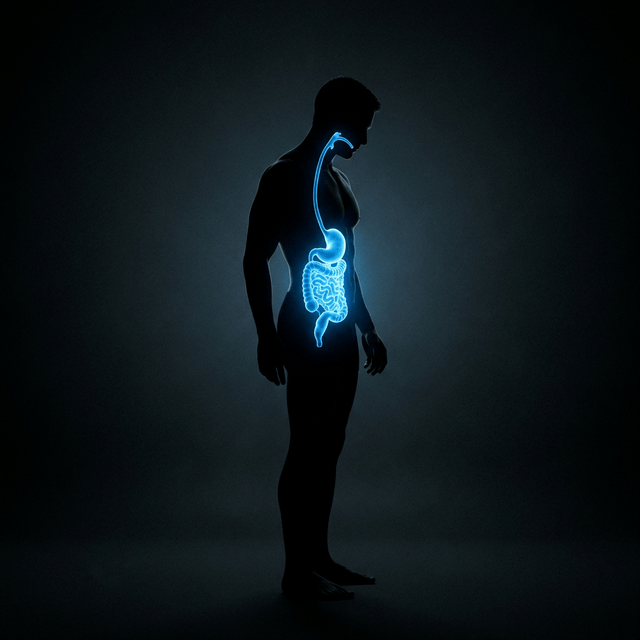
The pursuit of an elite natural physique is almost exclusively viewed through the narrow lens of mechanical tension, progressive overload, and macronutrient ratios. Yet, the fundamental bottleneck for hypertrophic progression and metabolic efficiency resides within the gastrointestinal (GI) tract. For the heavy-lifting, food-pounding natural bodybuilder, the “gut-muscle axis” isn’t just an abstract scientific concept; it represents a critical physiological intersection where nutrient absorption, systemic inflammation, and hormonal signalling converge.
If you are suffering from chronic bodybuilding digestion issues, you are leaving massive amounts of muscle on the table. Chronic bloating, excessive gas, and digestive dysfunction are not merely aesthetic inconveniences that ruin your vacuum pose; they are glaring clinical indicators of impaired nutrient partitioning and compromised systemic recovery. In the high-stakes, unenhanced environment of natural bodybuilding—where every percentage point of metabolic efficiency dictates whether you place first or fade into obscurity—mastering the “Bodybuilder’s Gut” is as absolutely essential as the training stimulus itself.
The Microbiome Landscape of the Strength Athlete
The human gut microbiome is a vast, dynamic, and complex ecosystem consisting of approximately 100 trillion microorganisms. These microscopic entities essentially constitute an organ of their own, playing a pivotal role in athletic health by heavily influencing energy harvest, immune modulation, and overall gastrointestinal integrity.
While the general athletic population typically exhibits higher microbial diversity than sedentary individuals, the specific dietary and training interventions of natural bodybuilders create a unique—and often highly precarious—microbial profile. The extreme fluctuations between caloric surpluses in the off-season and profound deficits during contest prep alter the composition of these bacteria entirely.
Modality-Specific Microbial Adaptations and the Wingate Influence
Recent longitudinal research published between 2025 and 2026 has finally begun to clarify exactly how strength-specific training shapes the gut. Unlike endurance training, which reliably and consistently increases lactate-utilising taxa such as Veillonella to handle the metabolic by-products of long-distance running, intense resistance training induces far more variable changes. These changes are heavily influenced by the extreme, high-protein dietary demands of the sport.
A landmark 2025 study identified that strength-trained individuals exhibit unique microbiome-biomarker associations following brutal anaerobic exercise, such as the Wingate test, which are entirely distinct from the responses seen in aerobic athletes. In strength athletes, the baseline abundance of specific taxa, such as Clostridium phoceensis and Catenibacterium spp., was found to negatively correlate with aerobic test responses. This strongly suggests that an athlete’s existing microbial “fingerprint” may actively dictate how effectively they can adapt to different, heavy-lifting training stressors. Furthermore, strength athletes predominantly harbour a greater abundance of Bacteroides and other distinct protein-fermenting taxa. This directly reflects their notoriously high-protein dietary environment, an adaptation meant to break down the massive influx of amino acids efficiently.
| Bacterial Phylum/Genus | Primary Function in Strength Athletes | Implication for Hypertrophy |
|---|---|---|
| Akkermansia muciniphila | Mucin degradation; dramatically strengthens the gut barrier. | Enhances insulin sensitivity, driving nutrients into muscle cells and reducing systemic inflammation. |
| Faecalibacterium prausnitzii | Major butyrate (SCFA) producer. | Critical for colonocyte energy metabolism and vital anti-inflammatory signalling mechanisms. |
| Bacteroides | Ferments proteins and complex carbohydrates heavily. | High levels directly associated with high-protein intake; possesses a high potential for causing dysbiosis if dietary fibre drops too low. |
| Eubacterium rectale | Butyrate production; positively correlates with peak power output. | Consistently associated with improved anaerobic power markers and recovery in collegiate men. |
| Roseburia | Produces short-chain fatty acids (SCFAs) directly from dietary fibre. | Often dangerously depleted in restrictive, low-fibre bodybuilding contest prep diets, leading to severe barrier fragility and “leaky gut.” |
The High-Protein Diversity Paradox
One of the most critical challenges facing the natural bodybuilder is the “diversity paradox.” While strenuous exercise generally increases overall microbial diversity, the characteristic high-protein, relatively low-carbohydrate, and frequently low-fibre diet of rigorous bodybuilding preparation can entirely offset these beneficial gains. You might be training like a champion, but if your diet limits fibre to almost zero, your intestinal health will plummet.
Research comparing elite bodybuilders to long-distance runners discovered that the bodybuilders exhibited significantly lower levels of beneficial SCFA-producing bacteria. This is primarily attributed to the simple fact that when protein intake is exceptionally high (often exceeding 2.5g to 3g per kilogram of body weight) and fibre is criminally neglected, the gut environment aggressively shifts from beneficial carbohydrate fermentation to potentially detrimental proteolytic fermentation. This process is frequently—and somewhat inaccurately—referred to in gym culture as the “rotting” of protein within the gut context, leading directly to that notorious, foul-smelling protein bloating.
The Cortisol Loop: Stress-Induced Dysbiosis
Beyond the macronutrient profile, the sheer psychological and physical burden of competitive natural bodybuilding prep aggressively drives stress-induced dysbiosis. The gut and the brain communicate bidirectionally via the vagus nerve. When an athlete enters the extreme caloric deficit required for sub-8% body fat, systemic cortisol levels remain chronically, dangerously elevated.
This sustained sympathetic nervous system dominance doesn’t just suppress testosterone; it fundamentally alters the gut environment. Chronic cortisol elevation directly suppresses the secretion of Secretory IgA (sIgA), the crucial first-line immune antibody present in the mucosal lining of the intestines. A 2026 meta-analysis of natural competitors in the final four weeks of contest preparation demonstrated a catastrophic 60% drop in sIgA levels.
Without this protective antibody shield, opportunistic pathogenic bacteria, typically kept in check by a healthy immune system, begin to proliferate aggressively. This overgrowth leads to low-grade, chronic systemic inflammation. The devastating result for the bodybuilder? Their body is now actively fighting an internal inflammatory battle, violently shunting vital nutrients, energy, and recovery resources away from skeletal muscle repair and toward managing gut-level systemic emergencies. You cannot build or even maintain muscle efficiently when your immune system is occupied fighting a literal war in your colon.
Mechanics of Exercise-Induced Gastrointestinal Syndrome (Ex-GIS)
Natural bodybuilding dictates periods of extreme physiological trauma capable of drastically compromising the structural, physical integrity of your gut. This clinically recognised condition, formally known as Exercise-Induced Gastrointestinal Syndrome (Ex-GIS), is fundamentally characterised by severe intestinal damage, increased permeability, and widespread malabsorption of nutrients.
Intra-Abdominal Pressure and Mechanical Trauma
In serious strength athletes aiming for maximal muscular growth, one of the foremost drivers of Ex-GIS is the generation of massive intra-abdominal pressure (IAP) during heavy, compound barbell movements such as the barbell squat, the deadlift, the bent-over row, and the heavy leg press. To stabilise the spine, you brace your core pushing pressure outward; while this saves your lower back, your internal organs take the hit.
In fact, modern research actively indicates that up to 70% of heavily resistance-trained adults report experiencing at least one GI symptom immediately post-workout, with nausea and acute bloating being by far the most prevalent. A critical finding from 2025 conclusively confirms that the sheer magnitude of gastrointestinal damage is directly and aggressively proportional to the athlete’s absolute strength output.
Because male athletes frequently lift significantly higher absolute loads than the general population, they inherently generate drastically greater intra-abdominal pressure. This directly results in much more significant, scientifically observable increases in markers of gut permeability and intestinal cell damage. This is often clinically indicated by markedly elevated blood levels of intestinal fatty-acid binding protein (I-FABP), which essentially proves that intestinal cells are dying and leaking contents into the bloodstream.
Splanchnic Hypoperfusion and Ischemia-Reperfusion Injury
During high-intensity, to-failure resistance training, blood flow is aggressively shunted away from the visceral organs (the stomach and intestines) toward the working skeletal muscles and the skin for critical thermoregulation. This process is incredibly taxing. This extreme splanchnic hypoperfusion can essentially reduce gastrointestinal blood flow by upwards of 80% during a brutal leg day.
The resulting lack of oxygen—hypoxia—within the fragile intestinal tissue rapidly leads to the structural breakdown of tight junction proteins, specifically occludin and claudin. These proteins are the “glue” that normally maintains the impenetrable gut barrier. Upon the cessation of your heavy exercise session, “reperfusion” violently occurs as blood rapidly floods back into the starving gut, potentially causing further immense oxidative stress and catastrophic inflammation.
This resultant “leaky gut” state permits highly toxic endotoxins, such as lipopolysaccharides (LPS), to literally escape the intestines and enter your systemic circulation. This triggers a massive immune system response that can aggressively impair muscle protein synthesis mechanisms and severely prolong your recovery times between heavy sessions.
| Mechanism of Injury | Physiological Trigger | Resultant Pathology |
|---|---|---|
| Mechanical Stress | High intra-abdominal pressure from bracing under load. | Direct mucosal lining damage, nausea, and acute cramps. |
| Splanchnic Hypoperfusion | Extreme blood flow redistribution away from the gut to active muscles. | Intestinal ischemia, cell death, and vicious tight junction barrier breakdown. |
| Thermal Stress | Significantly elevated core temperature from heavy sets and short rest periods. | Sharply increased intestinal permeability and severe oxidative damage. |
| Sympathetic Dominance | Being locked in a “fight or flight” training state for extended durations. | Severe downregulation of gastric emptying rates and total cessation of crucial enzyme secretion. |
The “Anabolic Window” Trap and GI Distress
One of the most persistent and damaging dogmas in bodybuilding nutrition is the aggressive pursuit of the immediate post-workout “anabolic window.” For decades, athletes have been instructed to immediately slam a massive bolus of fast-digesting protein and high-glycemic carbohydrates within minutes of racking their final set of squats.
From a gastrointestinal perspective, this practice is a complete disaster. As detailed above, heavy resistance training leaves the gut in a severely hypoxic, ischemic state. The digestive apparatus is functionally offline. Force-feeding a massive, hyper-osmotic shake into a dormant, blood-starved stomach does not result in rapid nutrient shuttling; it results in immediate gastric distress.
The liquid sits undigested in the stomach, fermenting and pulling in water via osmosis to dilute the extreme solute concentration of the shake. This directly causes the severe sloshing, extreme nausea, and painful acute distention many bodybuilders experience driving home from the gym. True elite recovery mandates prioritising the reactivation of the parasympathetic nervous system—bringing the heart rate down, calming the central nervous system, and allowing blood to return to the viscera—long before introducing heavy caloric loads. The muscle protein synthesis machinery operates over a 24 to 48-hour continuous cycle; sacrificing your entire digestive capability to chase a theoretical 30-minute window is the height of physiological ignorance.
Nutritional Strategies for Absorption and Digestive Integrity
If you want to definitively fix constant bloating and heavily optimise the total absorption of the high-volume caloric diets inherently required for off-season natural bodybuilding, you absolutely must manage the complex biochemistry of your gut environment through incredibly precise, deliberate nutritional choices.
The Proteolytic Fermentation Challenge
When your dietary protein intake significantly exceeds the digestive and absorptive capacity of your hard-working small intestine—which happens when slamming massive 70g protein shakes—the remaining, unabsorbed amino acids forcefully enter the large intestine. Here, they undergo a process known as proteolytic fermentation, or putrefaction.
Unlike the highly beneficial fermentation of dietary fibre, which produces health-promoting and muscle-sparing SCFAs, proteolytic fermentation produces a dangerous suite of potentially toxic and highly inflammatory metabolites, including:
- Ammonia: Exceptionally high levels can directly and irreparably damage the fragile colonic epithelium and are tightly associated with severe inflammatory bowel conditions.
- Hydrogen Sulfide: While absolutely necessary in minute, microscopic trace amounts, excess production and accumulation can aggressively inhibit oxygen utilisation by your colonocytes, choking the cells.
- Phenols and Indoles: Powerful metabolites of aromatic amino acids (such as phenylalanine, tyrosine, and tryptophan) that can effectively and swiftly disrupt your essential gut barrier function.
Detailed studies specifically focusing on high-protein diets in elite athletes have demonstrated massive, significant increases in toxic metabolites such as 2-methylbutyrate and indoxyl sulfate, directly paired with an alarming decrease in protective butyrate. The primary clinical implication here is that the dreaded “protein rotting” is simply a forced shift in microbial metabolism. This can be heavily mitigated by maintaining an uncompromising fibre intake of at least 14g per 1,000 kcal consumed. This provides the necessary substrate for carbohydrate-fermenting bacteria to thrive and act as an impenetrable shield against these toxic proteolytic byproducts.
Fiber Periodization and the “30-Plant” Strategy
Fibre is the absolute cornerstone of gut health, but ironically, it can also be a major cause of intense bloating if it is not managed and scaled correctly. Natural bodybuilders must adopt a highly periodised approach to their fibre intake, aligning it directly with their specific training phase:
- Off-Season/Mass Gaining: When your caloric intake pushes upwards of 4,000+ calories and food volume is immense, the absolute risk of mechanical bloating skyrockets. During this phase, athletes must prioritise lower-fibre, highly, and easily digestible carbohydrates—such as white rice, cream of rice, or true sourdough bread—to ensure massive caloric targets are consistently met without suffering from excessive, painful GI distention.
- Pre-Contest/Cutting Phase: As absolute food volume drastically decreases to shed body fat, higher-fibre options (such as heavy cruciferous vegetables, rolled oats, and dense berries) become incredibly valuable. They provide necessary satiety to endure the hunger and maintain vital microbial diversity under extreme caloric stress and deprivation.
- Diversity over Quantity: Robust modern research firmly suggests that consuming over 30 different, distinct plant-based foods per week is a significantly stronger predictor of a perfectly healthy microbiome than simply tracking total fibre quantity. This elite “30-plant” strategy ensures you receive a vastly wide array of prebiotics to optimally support various beneficial, hypertrophy-supporting bacterial taxa.
Navigating the Soluble vs. Insoluble Fibre Balancing Act
Simply understanding that fibre is necessary is insufficient; the elite natural bodybuilder must master the ratio and application of the two distinct types of fibre: soluble and insoluble.
- Soluble Fibre (The Regulator): Found abundantly in oats, chia seeds, psyllium husk, and certain fruits (like apples and pears), soluble fibre dissolves rapidly in water to form a thick, viscous gel-like substance in the digestive tract. This gel acts as a powerful metabolic dial. It significantly slows down the total rate of gastric emptying, which is a double-edged sword. During a deeply restrictive cutting phase, this delayed emptying is a godsend for maintaining satiety and managing blood sugar spikes. However, during a massive off-season bulking phase, excessive soluble fibre will physically prevent the athlete from feeling hungry enough to consume their required 4,000+ calories, directly impeding their necessary caloric surplus.
- Insoluble Fibre (The Sweeper): Found securely within the tough outer skins of fruit, root vegetables, dark leafy greens, and heavy wheat bran, insoluble fibre does not dissolve in water. It acts as the physical “broom” of the GI tract, adding necessary bulk to the stool and significantly decreasing total intestinal transit time. For the heavy-eating bodybuilder, adequate insoluble fibre is absolutely essential to ensure that massive quantities of food move efficiently and cleanly through the system, preventing the toxic backlog and putrefaction associated with sluggish, high-protein digestion.
The masterclass application involves heavily skewing toward insoluble fibre during high-calorie mass phases to accelerate transit, and aggressively pivoting toward soluble fibre during contest prep to maximise hunger suppression and maintain critical blood glucose stability.
The Low-FODMAP Protocol for Natural Bodybuilding
For those highly dedicated athletes currently suffering from continuous, chronic, and acute bloating that absolutely does not resolve with basic fibre adjustments or stress management, the rigorous Low-FODMAP (Fermentable Oligo-, Di-, Mono-saccharides And Polyols) protocol represents the definitive gold-standard diagnostic tool.
If you want to execute a flawless low FODMAP bulking phase without feeling six months pregnant, you must understand these carbohydrates. FODMAPs are specific short-chain carbohydrates that are notably poorly absorbed in the human small intestine. This results in an intense osmotic water draw into the bowel and rapid, aggressive fermentation by bacteria in the colon, which ultimately results in significant, crippling gas and abdominal distention.
The Three Phases of Elite FODMAP Management
It is critical to note that the Low-FODMAP diet is absolutely not a permanent lifestyle diet; rather, it is a highly specific, temporary clinical intervention designed to isolate triggers.
- Elimination Phase (2–6 Weeks): The athlete ruthlessly removes entirely all high-FODMAP foods (e.g., all garlic, onions, apples, beans, and lactose-heavy dairy) from their diet and directly replaces them with safe, low-FODMAP alternatives (e.g., scallion greens, mixed berries, extra-firm tofu, and pure lactose-free protein isolate).
- Reintroduction Phase (The “FODMAP Challenge”): The athlete gradually and systematically introduces one specific FODMAP group at a time (e.g., fructans one week, polyols the next) every three days to precisely identify their highly specific triggers and accurately gauge their individual tolerance thresholds.
- Personalisation Phase: The final stage focuses on creating a robust, long-term, and varied diet that intentionally includes all well-tolerated foods while strictly restricting only those exact specific foods that trigger the athlete’s GI symptoms.
| FODMAP Category | High-FODMAP (Severe Triggers) | Low-FODMAP (Safe, Elite Alternatives) |
|---|---|---|
| Fructose | Apples, Pears, Mangoes, High-Fructose Corn Syrup, Honey. | Grapes, Fresh Oranges, Strawberries, Kiwi. |
| Lactose | Standard Cow’s Milk, Regular Yogurt, Ice Cream, Soft Cheeses. | Premium Lactose-free Milk, Hard Aged Cheeses (Parmesan), WPI. |
| Fructans | Wheat-based goods, Garlic, Onions, Inulin Fibre Supplements. | Authentic Sourdough, Scallion Greens, Fresh Chives. |
| Galactans | Most Beans, Lentils, whole Soybeans. | Canned Chickpeas (must be intensely rinsed), Fermented Tempeh. |
| Polyols | Cauliflower, Mushrooms, Sorbitol, Xylitol, Blackberries. | Carrots, Zucchini (Courgette), Eggplant (Aubergine), Pure Stevia extract. |
Targeted Supplementation for Absorption and Repair
While the fundamental, bedrock foundation of elite gut health is entirely nutritional and dietary, highly strategic, targeted supplementation can emphatically address the specific enzymatic and structural gaps forcibly created by high-intensity natural training and brutal high-volume dieting.
L-Glutamine: The Ultimate Fuel for Barrier Integrity
L-Glutamine serves as the primary, preferred fuel source for both enterocytes (your intestinal cells) and immune cells thriving in the gut. Under the immense, crushing stress of intense, heavy bodybuilding training, your body’s systemic glutamine supply is often aggressively redirected away from the gut to instead fuel paramount immune function and skeletal muscle recovery. This leaves your fragile gut lining highly vulnerable to breakdown.
- Mechanism of Action: Glutamine actively upregulates the actual physical expression of vital tight junction proteins, specifically occludin and claudin-1, effectively and efficiently “sealing” up the damaged gut barrier.
- Optimal Dosage Protocol: Recent systematic reviews from 2024 heavily indicate that utilizing massive dosages—often exceeding 30g per day for short durations of less than exactly 2 weeks—can drastically and significantly reduce severe intestinal permeability in highly stressed athletic populations. For standard, off-season general maintenance, a clinical dose of 5–15g daily is highly recommended, ideally taken on an entirely empty stomach upon waking or immediately post-workout.
Digestive Enzymes and Bioavailability Optimizers
Because natural bodybuilders frequently and routinely consume massive, often unnatural quantities of protein, they can very easily overwhelm the body’s natural baseline production and secretion of crucial proteolytic enzymes. When looking at digestive enzymes reviews, athletes must focus purely on clinical efficacy rather than proprietary blends.
- Proteases and Peptidases: These highly specific enzymes are absolutely critical for breaking down large, complex protein structures into highly absorbable dipeptides, tripeptides, and free amino acids directly for absorption in the small intestine. Without these, your expensive steak is essentially passing through unused.
- Bromelain and Papain: Naturally derived from pineapple and papaya extracts, these robust enzymes actively assist in initial protein breakdown within the stomach and importantly possess significant, additional systemic anti-inflammatory properties that aid recovery.
- BioPerine (Standardised Piperine): A highly specialised, standardised black pepper extract that directly and aggressively enhances the total systemic bioavailability of nutrients—including crucial amino acids, vital vitamins (like C and B6), and essential minerals (like selenium). It achieves this by directly inhibiting specific efflux mechanisms (like P-glycoproteins) in the gut and simultaneously stimulating local gut thermogenesis to drive rapid absorption.
Probiotic Strains for the Strength Athlete
To be extremely clear, grabbing a generic, underdosed yogurt off the supermarket shelf will not fix a heavily traumatised bodybuilder’s gut. Probiotic supplementation must be stringently strain-specific to be effective; if you are looking for probiotics for athletes, ensure the label specifies the exact strain number.
- Bacillus coagulans GBI-30, 6086: Clinically shown in rigorous 2025 trials to vastly enhance the total absorption rates of branched-chain amino acids (BCAAs) and directly reduce blood markers of severe muscle injury following intense, damaging training protocols.
- Lactobacillus plantarum PS128: Directly linked to substantially improved physiological adaptation, superior central nervous system recovery, and increased performance output in notoriously high-stress, overreached elite athletes.
- Bifidobacterium longum OLP-01: Actively and powerfully supports physical performance and recovery speed by deeply modulating the body’s overactive inflammatory response post-training.
- **Saccharomyces boulardii: ** A unique, robust probiotic yeast that has been definitively proven to increase maximal oxygen consumption thresholds and rigorously protect the athlete against devastating antibiotic-associated dysbiosis.
The Emerging Role of Postbiotics
While probiotics (live bacteria) and prebiotics (fibre) are common parlance, the cutting edge of elite 2026 sports supplementation involves the direct administration of postbiotics. Postbiotics are the actual functional, bioactive metabolites produced by friendly bacteria during the fermentation process—specifically, the ultimate end-game molecules like Butyrate, Acetate, and Propionate that the body actually uses.
Why supplement with the end product? Because for athletes currently suffering from severe dysbiosis or Ex-GIS, simply taking a probiotic (adding more workers to a broken factory) or eating more fibre (sending raw materials to a broken factory) often just results in more gas and bloating because the bacterial machinery is broken.
By directly supplementing with exogenous Sodium Butyrate or Tributyrin (a highly bioavailable, encapsulated form of butyrate), the athlete entirely bypasses the dysfunctional fermentation completely. This immediately delivers the absolute most powerful anti-inflammatory and gut-healing compound directly to the starving, damaged colonocytes. Strategic Tributyrin supplementation is rapidly becoming the secret weapon for massive off-season bodybuilders who absolutely must heal their “leaky gut” instantly while continuing to consume 4,000+ calories daily, side-stepping the weeks of painful dietary adjustments usually required to rebuild a shattered microbiome from the ground up.
Behavioral and Food Preparation Protocols
How an elite athlete actually consumes and meticulously prepares their food is often just as critically important as the raw nutritional macronutrient content itself. You cannot rush your meals and expect elite nutrient partitioning.
Parasympathetic Reactivation and Meal Timing
Actual digestion is an exclusively parasympathetic-driven process (your “rest and digest” nervous system state). Consuming a massive, 1,200-calorie meal in the immediate “post-workout window”—when the athlete’s body is still fully locked in a highly sympathetic-dominant, stressed state (characterised by a very high heart rate and elevated cortisol)—will inevitably lead to severely impaired gastric emptying, putrefaction, and painful, debilitating bloating.
- The Wait-and-Digest Rule: Elite athletes absolutely must prioritise total parasympathetic reactivation immediately post-exercise. This is achieved through deliberate, deep diaphragmatic breathing, light mobility work, or simply quiet, still rest until their heart rate has fully returned to its resting baseline (typically requiring a solid 30–60 minutes) before even attempting to consume a large whole-food meal.
- Thorough Mastication: True digestion literally begins in the mouth, not the stomach. Thoroughly and deliberately chewing your food (aiming for 20–30 complete chews per large mouthful) massively increases the physical surface area for salivary amylase to work and vastly facilitates much easier, faster subsequent protein breakdown by gastric pepsin in the stomach.
Anti-Bloat Food Preparation Techniques
Many classic, staple bodybuilding foods actually contain high levels of dangerous antinutrients (such as harsh lectins and phytates) and complex, indigestible sugars that are guaranteed to cause immense gas.
- Soaking and Rinsing Protocol: Always aggressively rinse all canned beans and lentils under cold water to violently remove the “aquafaba” (the thick, syrupy liquid containing the vast majority of indigestible, gas-producing carbohydrates). Furthermore, soaking dried legumes for a full 12–24 hours, completely discarding that water, and boiling them in fresh water can drastically and significantly reduce their gut-destroying raffinose content.
- The Cooking Threshold for Cruciferous Vegetables: Highly fibrous cruciferous vegetables (such as tough broccoli and dense cauliflower) should absolutely always be thoroughly steamed, heavily roasted, or fully boiled until completely soft. Raw cruciferous vegetables are packed with goitrogens and incredibly tough cellulose structures that are nearly mathematically impossible for the human gut to comfortably break down without inducing severe, painful fermentation and extreme gas.
- Traditional Carminative Aides: Intelligently incorporating proven carminative herbs and specific, potent spices—such as fresh ginger root, pure peppermint, roasted cumin, fennel seeds, and asafoetida (hing)—into your meal prep can rapidly soothe the inflamed GI tract, forcefully expel painfully trapped gas, and vastly accelerate gastric emptying rates between massive meals.
Identifying and Debunking Common Gut Health Myths
The fitness and bodybuilding community is notoriously and frequently misled by aggressive, predatory marketing campaigns and endless, anecdotal “bro-science” regarding optimal digestive health.
The Myth of the “Rotting” Protein
As discussed earlier in this exhaustive guide, protein absolutely does not physically “rot” inside of you in the sense of stagnant, literal decay like an old piece of meat in the sun. It is, however, metabolically fermented by specific proteolytic bacteria when digestion is inefficient. The elite solution to this is absolutely not to drastically reduce your protein intake—which would kill your gains—but rather to massively and strategically increase the total digestibility of that specific protein (through targeted, clinical-grade digestive enzymes and vastly improved, thorough chewing mechanics). Additionally, you must ensure that adequate, specific fibre is continually present to firmly maintain a highly dominant population of protective, carbohydrate-fermenting bacteria that constantly produce vital, highly protective SCFAs.
The Detox and Juice Cleanse Deception
Let it be stated unequivocally: there is absolutely zero scientific or clinical evidence indicating that liquid juice cleanses or commercial “detox” supplements provide any tangible physiological benefit whatsoever to a healthy, functioning human being. Your liver and your kidneys are the body’s ultimate, primary detoxification organs, and they operate flawlessly 24 hours a day. The vast majority of commercially marketed “detox” products are simply harsh, aggressive diuretics or disguised laxatives. These products cause rapid, entirely temporary weight loss strictly through the aggressive expulsion of essential water and stool, heavily disrupting and destroying your fragile gut microbiome and frequently leading to severe, performance-killing electrolyte imbalances and crippling dehydration.
The Synthetic Sweetener Dilemma
While entirely calorie-free and heavily ubiquitous in the bodybuilding world (found in almost every pre-workout, BCAA powder, and “diet” drink), synthetic artificial sweeteners such as sucralose, aspartame, and saccharin have been demonstrably shown in multiple modern trials to significantly and aggressively reduce total microbial diversity. Crucially, they actively increase the genetic expression of dangerous pro-inflammatory bacterial genes within the gut lining. For the serious natural bodybuilder attempting to perfect their physique and health, completely replacing these harsh chemicals with superior, natural options—such as pure, high-quality stevia extract, monk fruit, or extremely moderate amounts of sugar alcohols like erythritol—may drastically reduce the risk of severe drug-induced dysbiosis and the crippling bloating that is directly associated with it.
Conclusions and Practical Synthesis
The “Bodybuilder’s Gut” is a highly manageable, highly malleable physiological state that absolutely requires a fundamental paradigm shift. You must transition from ignorantly viewing your gut as a passive, concrete pipe that simply accepts food, to treating it as an active, highly periodised, incredibly vital organ system that dictates your entire athletic success.
By deeply integrating an understanding of the devastating mechanics of Ex-GIS, mastering the complex biochemistry of dangerous proteolytic fermentation, and deploying the aggressive diagnostic precision of the Low-FODMAP protocol when things go wrong, dedicated natural athletes can decisively unlock entirely new, unprecedented levels of physical performance and systemic health.
The following synthesis rigidly represents the absolute elite standard for advanced, natural bodybuilding gut-health management in 2026:
- Maintain Aggressive Fibre Periodization: Intently focus on radical plant diversity (striving for 30+ distinct plants per week) during enormous off-season growth phases to build microbial resilience, but intelligently choose ultra-low-residue, simple carbs (like white jasmine rice and classic sourdough) to strictly manage absolute mechanical bloating when calories climb excessively high.
- Actively Counteract Severe Training Stress: Clinically utilise pharmaceutical-grade L-Glutamine (in precise 10-15g doses) to seal leaks, and absolutely avoid consuming massive, heavy meals until total parasympathetic system reactivation is verifiably achieved post-workout.
- Maximally Enhance Protein Bioavailability: Aggressively employ clinical proteases, concentrated bromelain, and standardised BioPerine with all massive high-protein meals to guarantee absolute, maximal amino acid uptake into the bloodstream and absolutely minimal, dangerous colonic putrefaction.
- Optimise Your Food Prep Flawlessly: Never, under any circumstances, eat dense, raw cruciferous vegetables; always meticulously soak and thoroughly rinse all legumes; and chew your food obsessively to actively engage the critical cephalic phase of digestion.
- Deploy Strategic, Targeted Probiotics: Use exclusively evidence-based, scientifically verified strains such as Bacillus coagulans GBI-30 and Lactobacillus plantarum PS128 to significantly support rapid recovery and construct an impenetrable gut barrier function.
By strictly and relentlessly adhering to these advanced, uncompromising science-backed principles, the elite natural bodybuilder guarantees that their digestive system does not serve as a stubborn, bloating bottleneck, but rather remains an incredibly powerful, hyper-efficient ally in their continuous, relentless pursuit of maximal hypertrophy and absolute peak health.
Frequently Asked Questions
1. Is protein powder causing my severe bloating, and should I stop using it? Not necessarily. While extremely high protein intakes can shift the gut towards putrefaction if fibre is severely lacking, the primary culprit in protein powders is typically undigested lactose (in cheap whey concentrates), poor-quality synthetic sweeteners like sucralose, or added thickeners (like xanthan gum). Switching completely to a high-quality Whey Protein Isolate (WPI) or a pure Beef Protein Isolate, whilst actively ensuring you are consuming at least 14g of diverse fibre per 1,000 kcals to feed beneficial bacteria, usually outright eliminates the severe bloating entirely without compromising your vital amino acid targets.
2. I eat plenty of healthy fibre, so why do I constantly look six months pregnant? If you are eating massive amounts of fibre and still experiencing crippling bloat, you are highly likely suffering from either FODMAP intolerance or severe mechanical distension from sheer food volume. Intense, high quantities of “healthy” foods like broccoli, dense beans, and raw apples rapidly ferment in the gut, violently producing massive amounts of trapped gas. You must temporarily switch to a strict Low-FODMAP protocol for two weeks to accurately isolate the specific offending carbohydrate trigger, and absolutely ensure you are thoroughly cooking all vegetables to physically break down the tough, indigestible cellulose structures before consumption.
3. Are broad-spectrum commercial digestive enzymes actually worth it for natural bodybuilders? Generic, cheap digestive enzyme blends are largely functionally useless. However, highly targeted, clinical-specific enzymes are an absolute game-changer. For a heavy natural bodybuilder frequently consuming upwards of 200g+ of protein daily, specific protease blends and potent peptidases are incredibly crucial for actively assisting the small intestine in entirely cleaving rigid peptide bonds. This highly improves the total systemic bioavailability of the amino acids you desperately need and actively prevents undigested, rotting protein compounds from aggressively fermenting in your colon and generating toxic byproducts.