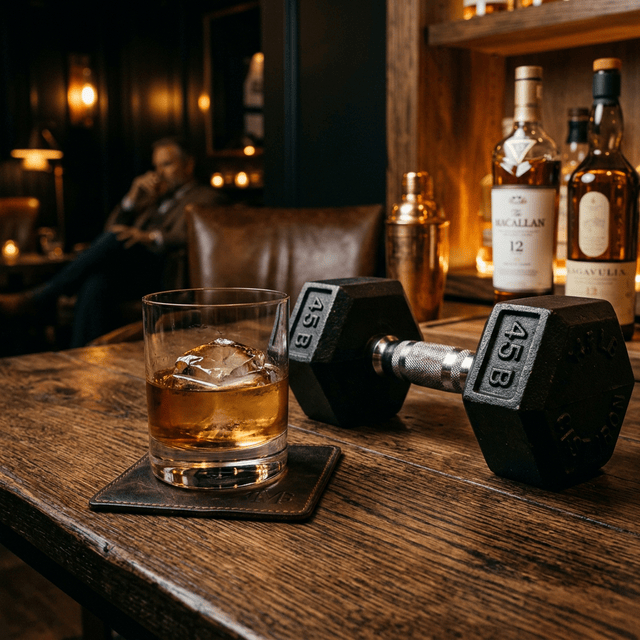
Alcohol and Gains: Can You Drink and Still Build Muscle?
Alcohol & Hypertrophy: The Real Impact on Natural Testosterone
The pursuit of skeletal muscle hypertrophy is a biological war of attrition. It demands a flawless equilibrium between mechanical loading, precise nutrient availability, and a systemic hormonal environment primed for protein accretion. For the natural athlete, particularly within the United Kingdom’s deeply ingrained pub culture, the integration of nightlife into a rigorous training programme presents a severe physiological conflict. Can alcohol and muscle growth coexist, or are you quite literally drinking away your gains?
Ethanol is not merely a source of “empty” non-nutritive calories; it is a metabolic priority toxin that forces your body to abandon the adaptive processes required to increase muscle cross-sectional area. The interplay between alcohol and hypertrophy is dictated by a cascade of suppressive signals that paralyse the mechanistic target of rapamycin (mTOR) pathway, violently disrupt the hypothalamic-pituitary-gonadal (HPG) axis, and dismantle sleep architecture.
In this comprehensive analysis, we will ruthlessly dissect the molecular, metabolic, and endocrine consequences of alcohol consumption. We will examine the distinct outcomes of beer vs spirits bodybuilding, expose the grim reality of the alcohol testosterone impact, evaluate strategies for drinking on a cut, and define actionable protocols for hangover recovery for gym sessions. If you want to balance an elite physique with a social life, you must understand exactly how ethanol rewires your physiology.
To comprehend the sheer magnitude of this chemical disruption, we must first abandon the rudimentary view of alcohol as merely an alternative macronutrient. In the clinical realm of sports biochemistry, ethanol is classified as an acute cellular stressor. Upon ingestion, it diffuses rapidly across mucosal and lipid membranes, uninhibited by normal transport proteins, flooding the central nervous system, hepatic pathways, and vascular tissue simultaneously. The presence of ethanol acts as a dominant override command on your central metabolic ledger. The liver—the primary engine of nutrient partitioning, gluconeogenesis, and protein translation—is forced to suspend all anabolic protocols to neutralise what it correctly identifies as an immediate, life-threatening poison. To demand extreme physical adaptation while actively introducing this systemic toxin is to ask a drowning man to build a house.
Molecular Sabotage: Ethanol and the mTORC1 Pathway
The absolute driver of hypertrophy at the cellular level is muscle protein synthesis (MPS). This process is governed almost entirely by the mechanistic target of rapamycin complex 1 (mTORC1). Think of mTORC1 as the general contractor on a building site—it receives inputs regarding amino acid availability, mechanical tension from heavy lifting, and insulin-like growth factors, and then authorises the construction of new muscle tissue. The introduction of ethanol into this delicate system induces a profound, aggressive suppression that is both time-dependent and dose-dependent.
Research in human subjects demonstrates that acute alcohol ingestion following a bout of strenuous resistance exercise reduces the maximal rates of myofibrillar protein synthesis by an astonishing 37%. This inhibition is particularly alarming because it persists even under conditions of optimal nutrition. When alcohol is co-ingested with a high-quality, fast-digesting protein source like whey isolate, the suppression of MPS is only partially rescued, remaining significantly blunted with a 24% reduction in synthesis rates compared to protein-only control conditions. Ethanol, essentially, acts as a direct molecular handbrake. It exerts an inhibitory signal on the translational machinery that simply cannot be fully overridden by consuming more leucine.
Intramuscular Signalling and Raptor Sequestration
The mechanism driving this suppression involves the severe attenuation of phosphorylation at key regulatory sites within the mTORC1 signalling cascade. Specifically, alcohol ingestion has been shown to blunt the phosphorylation of the 70-kDa ribosomal protein S6 kinase (p70S6K) and the 4E-binding protein 1 (4E-BP1).
In robust clinical models, acute ethanol intoxication leads to an increased physical association between mTOR and its regulatory associated protein, raptor. This increased binding effectively sequesters the entire mTOR complex in a dormant, inactive state, preventing the recruitment of the substrates required for peptide-chain initiation.
Furthermore, this suppression is characterised by a detrimental redistribution of the eukaryotic initiation factor 4E (eIF4E). Under normal, anabolic conditions, eIF4E binds to eIF4G to form the active eIF4F complex, an essential step for binding messenger RNA to the 40S ribosomal subunit. Alcohol consumption perverts this process, promoting the binding of eIF4E to its inhibitory partner, 4E-BP1. This drastically reduces the availability of eIF4E for translation initiation, throttling muscle growth at the most fundamental molecular level.
Coaching Cue: When you drink heavily post-workout, your body stops building muscle and starts prioritising survival and detoxification. You are wasting the mechanical tension you just generated in the gym. The anabolic window is not just closed; it is boarded up.
Furthermore, this suppression is severely compounded by alcohol’s immediate induction of acute, transient insulin resistance at the muscular level. Insulin is a profoundly anabolic hormone, required to shuttle glucose and amino acids into the myocyte to sustain prolonged protein synthesis. Ethanol toxicity aggressively downregulates the phosphorylation of Akt (Protein Kinase B), a crucial upstream signalling molecule in the insulin cascade. When Akt is silenced, the translocation of GLUT4 transporters to the cell membrane is halted. This means that even if you consume a massive carbohydrate-rich meal alongside your alcohol in an attempt to spike insulin, your muscle cells remain practically deaf to the signal. The nutrients remain in the bloodstream or are partitioned toward adipose tissue, while the muscle starves of both fuel and the chemical authorisation to rebuild.
The duration of this molecular suppression is the critical variable defining your recovery. Studies utilising electrically stimulated muscle contractions—a valid proxy for heavy resistance training—indicate that protein synthesis rates remain depressed for at least 12 hours following alcohol ingestion. Even as your blood alcohol concentration (BAC) returns to baseline the following morning, the intramuscular signalling environment remains deeply compromised. You are losing the most critical early windows of the 24-to-48-hour recovery cycle.
Fiber Type Sensitivity and Alcoholic Myopathy
The inhibitory effects of alcohol exhibit a high degree of specificity toward type II (fast-twitch) muscle fibres. These fibres are the holy grail of hypertrophy-oriented resistance training because they possess the greatest overarching potential for force production and cross-sectional area increases.
Both chronic and acute binge alcohol consumption leads to a targeted reduction in the cross-sectional area of type IIx fibres, while type I (slow-twitch) endurance fibres remain relatively spared. This selective, devastating atrophy is often termed alcoholic myopathy. It is a direct physiological result of impaired translation initiation combined with surges in proteolytic (muscle breakdown) activity within these specific power-producing fibre types. If you are training to be explosive, strong, and visibly muscular, alcohol actively destroys the specific tissue responsible for those traits.
Endocrine Disruption: The Catabolic Shift
The systemic hormonal environment provides the physiological backdrop against which all muscle growth occurs. Natural hypertrophy is entirely dependent on maximising anabolic hormones (testosterone, growth hormone) while precisely managing catabolic hormones (cortisol). Alcohol consumption acts as a potent, immediate disruptor of this fragile balance, dismantling multiple levels of the endocrine system. The alcohol testosterone impact is not a myth; it is a heavily documented clinical reality.
Testicular Toxicity and Testosterone Suppression
In men, testosterone is the master hormone responsible for stimulating MPS and promoting satellite cell activation for muscular repair. The impact of alcohol on testosterone is highly dependent on the dose administered. Very low doses of alcohol (approximately 0.5g/kg body weight, roughly equating to 2 standard drinks) may induce a negligible, transient increase in serum testosterone, likely due to increased activity of detoxification enzymes in the liver or a brief, stressful stimulation of the hypothalamic-pituitary-gonadal (HPG) axis.
However, as the dosage increases beyond 1.5g/kg (roughly 8 to 10 standard drinks—a typical night out in the UK for many), a catastrophic and prolonged decrease in testosterone is observed. This suppression operates through direct and indirect pathways:
- Direct Testicular Toxicity: Ethanol and its primary, highly toxic metabolite, acetaldehyde, exhibit direct toxicity to the Leydig cells within the testes. These are the very cells responsible for the synthesis and secretion of testosterone. You are chemically poisoning your body’s testosterone factories.
- Central Signalling Interference: Alcohol brutally disrupts the pulsatile release of luteinising hormone (LH) and follicle-stimulating hormone (FSH) from the pituitary gland. LH is the primary chemical signal telling the testes to produce testosterone; alcohol silences this signal.
- Oxidative Stress & ROS: The metabolic processing of alcohol generates vast amounts of reactive oxygen species (ROS). This induces severe oxidative stress in testicular tissue, further impairing the delicate enzymatic steps of steroidogenesis.
To fully grasp the magnitude of this sabotage, one must consider the specific enzymatic suppression occurring within the Leydig cells. Alcohol and acetaldehyde actively inhibit the activity of critical enzymes like 3β-hydroxysteroid dehydrogenase (3β-HSD) and 17β-hydroxysteroid dehydrogenase, the precise chemical catalysts required to convert cholesterol precursors into active testosterone. It is not merely a reduction in signal; it is the physical dismantling of the manufacturing equipment. Furthermore, chronic exposure to high alcohol volumes leads to the downregulation of androgen receptors within skeletal muscle itself. This creates a horrifying catch-22 for the natural bodybuilder: not only are you producing significantly less testosterone, but the muscle tissue you are desperately trying to grow becomes less sensitive to the testosterone that remains.
The HPA Axis, Cortisol, and The T:C Ratio
Concomitantly to lowering testosterone, heavy alcohol consumption hyper-stimulates the hypothalamic-pituitary-adrenal (HPA) axis, leading to a sharp, sustained rise in cortisol. Cortisol is a prominent glucocorticoid that, in high chronic doses, promotes muscle protein breakdown to supply amino acids for gluconeogenesis in the liver.
Research decisively indicates that following a heavy dose of ethanol, cortisol levels can violently spike to over 150% of control values. Even more alarmingly, these elevated catabolic concentrations can persist for up to 24 hours post-ingestion.
The simultaneous crash in testosterone and surge in cortisol results in a severe depression of the testosterone-to-cortisol (T:C) ratio. This shift represents a physiological environment that is actively hostile to both muscle retention and growth. This hormonal crisis not only paralyses the immediate post-exercise recovery block but significantly decreases your long-term training intensity due to impaired central nervous system (CNS) baseline recovery and crushed motivation.
Sexual Dimorphism: A Nuanced Response
A compelling area of modern scientific inquiry is the differential response of men and women to alcohol-induced anabolic signalling interference. There appears to be a notable sexual dimorphism in how ethanol affects the mTORC1 pathway following a resistance training stimulus.
In clinical trials where resistance-trained men and women consumed equivalent doses of alcohol after a heavy squat protocol, a significant attenuation of mTOR and p70S6K phosphorylation was observed distinctly in the male participants. Conversely, the female participants displayed no statistically significant difference in these signalling markers between the alcohol and placebo trials.
While the precise mechanisms for this resilience in women are not yet fully elucidated, leading hypotheses suggest that the presence of circulating oestrogen may offer a neuro-protective and cellular-protective baseline against acute signalling interference. Furthermore, differences in total body water distribution and gastric ADH (alcohol dehydrogenase) activity may lead to different intracellular concentrations of toxic ethanol metabolites. However, it must be stated that women remain significantly more susceptible to long-term alcohol-induced liver pathology and other severe chronic health risks. No one gets a free pass.
Metabolic Prioritisation and Nutrient Partitioning
The human body possesses absolutely no physiological storage mechanism for ethanol. Because it is toxic, its elimination immediately takes absolute precedence over the processing of all other macronutrients. This “metabolic priority” dictates that the liver will urgently redirect its enzymatic resources entirely toward the oxidation of alcohol. This has profound, negative implications for fat loss, energy availability, and the proper partitioning of recovery nutrients, particularly when drinking on a cut.
The ADH/ALDH Pathway and Redox Imbalance
The primary pathway for ethanol metabolism involves its conversion to highly toxic acetaldehyde by the enzyme alcohol dehydrogenase (ADH), followed rapidly by its conversion to acetate by aldehyde dehydrogenase (ALDH). Both of these critical enzymatic steps demand the reduction of NAD+ to NADH. The resulting surge in the cellular NADH:NAD+ ratio creates a fake metabolic signal mimicking high energy availability, despite an actual lack of usable glycogen or ATP.
This artificially high NADH:NAD+ redox ratio triggers several catastrophic metabolic cascades:
- Complete Suppression of Lipid Oxidation: The excess cellular NADH specifically signals the mitochondria to immediately halt the β-oxidation of fatty acids. Clinical studies indicate that fat oxidation can plummet by up to 75% for up to seven hours following a single heavy drinking session. When you drink, fat burning stops entirely.
- Inhibition of Gluconeogenesis: The liver’s ability to manufacture glucose from non-carbohydrate sources is severely impaired, which often leads to profound hypoglycaemia (low blood sugar) during or the morning after a drinking session, ruining subsequent training energy.
- Promotion of De Novo Lipogenesis: Acetate, the end product of alcohol metabolism, is released efficiently into the bloodstream and converted into acetyl-CoA in peripheral tissues. Because the body’s immediate energy needs are falsely signalled as met, this acetyl-CoA is aggressively redirected toward the synthesis of fatty acids, aggressively promoting fat storage.
Beer vs Spirits Bodybuilding: Caloric Load and “Empty” Macros
Alcohol contains approximately 7.1 kilocalories per gram, yielding nearly the energy density of pure dietary fat (9 kcal/g). However, these calories are totally devoid of usable micronutrients or structual building blocks. Worse, their processing actively depletes your body of the essential vitamins and minerals that would otherwise support muscle recovery.
The eternal debate of beer vs spirits bodybuilding comes down strictly to caloric and carbohydrate load.
A standard pint of premium lager or heavy IPA can contain anywhere from 200 to 300 calories and up to 25 grams of carbohydrates. Drinking four pints is functionally equivalent to eating a massive plate of pasta, but without any of the glycogen-restoring benefits or satiation.
Conversely, clear spirits (vodka, gin, tequila) contain zero carbohydrates when poured straight or with zero-calorie mixers (like soda water or diet tonic). A standard measure of 40% ABV spirit is approximately 60-70 calories. If you are drinking on a cut, clear spirits are the uncompromising choice for damage limitation. They allow you to accrue the buzz without the immense, untracked caloric surplus that guarantees fat gain. However, they will still halt lipid oxidation just as effectively as beer.
It is also crucial to address the thermic effect of alcohol and its specific metabolic routing. While the thermic effect of food (TEF) for protein is highly beneficial (costing the body up to 30% of the ingested calories just to digest it), alcohol’s metabolism is strictly hepatic (liver-bound) and prioritises the creation of acetate. When acetate floods the bloodstream, the entire tricarboxylic acid (TCA) cycle shifts. Instead of burning body fat via lipolysis, the body preferentially burns this highly toxic acetate. When you drink four pints of beer, you are introducing a massive carbohydrate bomb precisely at the moment your body’s fat-burning mechanisms have flatlined. This unique biochemical environment is precisely what drives the accumulation of visceral adiposity—the classic “beer belly”—which is metabolically active and actively secretes pro-inflammatory cytokines that further degrade the hypertrophic environment.
The Neural Void: Sleep Architecture and CNS Recovery
Perhaps the most universally underestimated impact of alcohol on muscle growth is its utterly destructive effect on sleep architecture. Physical tissue repair and the vast majority of your natural growth hormone (GH) secretion occur explicitly during the deep stages of sleep. Any disruption to these critical cycles directly undermines everything you accomplish on the gym floor.
REM Suppression and Fragmentation
Alcohol is a potent central nervous system depressant. It initially induces heavy sedation, leading to a much faster, artificial sleep onset. You “pass out.” However, as the body struggles to metabolise the ethanol throughout the night, the quality of your sleep degrades violently.
Alcohol triggers a severe compression and suppression of Rapid Eye Movement (REM) sleep, the phase vital for cognitive function, stress resolution, and neural recalibration. For every gram of alcohol consumed per kilogram of body weight, REM sleep duration is reduced by approximately 40 minutes.
Furthermore, the second half of the night is characterised by what clinicians call “sleep fragmentation.” As alcohol clears the system, a “rebound effect” of the sympathetic nervous system occurs. The individual experiences micro-awakenings, severe night sweats, raised resting heart rate, and an inability to transition past the lightest stages of sleep (N1). This fragmented, defensive state prevents the body from completing the deep, restorative cycles of physical maintenance.
Growth Hormone and Circadian Rhythm Collapse
Human Growth Hormone (HGH) is primarily secreted in massive, concentrated pulses during the early stages of deep, slow-wave sleep (N3). Because alcohol violently disrupts the seamless transition between sleep stages and dramatically increases sympathetic nervous system tone, it can decrease the nocturnal secretion of HGH by a staggering 70%.
This immense reduction is incredibly detrimental to the recovery of connective tissues, joint integrity, and the maintenance of lean body mass. Additionally, alcohol disrupts circadian rhythms at a central level by desensitising the body to photic cues (daylight) and interfering with the brain’s production of melatonin. This ensures that a single night of drinking can ruin your sleep-wake schedule—and thereby your hormonal baseline—for up to 72 hours.
The consequences of missing these initial N3 slow-wave sleep windows are permanent for that specific recovery cycle. Growth Hormone does not simply “catch up” later in the week. By blunting this nocturnal GH pulse, you inherently blunt the downstream, localised release of Insulin-like Growth Factor 1 (IGF-1) within the muscle tissue over the following 24 hours. IGF-1 is arguably the most potent local anabolic agent, responsible for stimulating satellite cell proliferation and donating nuclei to damaged muscle fibres to expand their growth ceiling. When you sacrifice deep sleep to alcohol, you are literally lowering the absolute maximum size your muscle fibres can structurally achieve during that specific training block.
Dehydration and Glycogen Displacement
For decades, the standard locker-room lore suggested that alcohol directly poisoned the enzymes responsible for glycogen synthesis. However, rigorous modern research involving human athletes and repeated biopsies has refined this understanding into a starker reality.
The Displacement Protocol
Clinical studies by Burke and leading sports scientists demonstrated that the direct, isolated effect of alcohol on muscle glycogen restoration is relatively minor—provided that massive amounts of adequate carbohydrates are consumed simultaneously. In trials where athletes consumed 1.5g/kg of alcohol right alongside a strictly controlled high-carbohydrate diet, glycogen storage over a 24-hour period matched the control group.
The actual impairment of your muscular fuel tanks is almost entirely indirect, driven by behaviour. Athletes who consume large amounts of alcohol almost always do so at the direct expense of their total carbohydrate intake, a phenomenon defined clinically as “carbohydrate displacement”.
When you replace the calories of a proper recovery meal (e.g., chicken and a massive bowl of rice) with the liquid calories of alcohol, your immediate glycogen storage plummets by nearly 50% over an 8-hour recovery window. Ethanol does not provide the vital glucose polymers required to refill your intramuscular stores. The result is a deflated, flat physique the next day and critically inadequate cellular fuel for your subsequent training sessions.
This displacement is exacerbated by the liver’s physiological triage. In a sober state, the liver utilises the Cori cycle to convert lactate (produced during intense training) back into glucose, which can then be shuttled back to the muscle or stored as hepatic glycogen. However, the exact enzymes required for this conversion are the same ones currently overwhelmed by the forced processing of ethanol. Because the liver prioritises the emergency clearance of alcohol toxins over everything else, the Cori cycle is severely interrupted. Not only are you failing to ingest sufficient dietary carbohydrates due to displacement, but your body’s internal recycling systems are chemically locked down, guaranteeing a state of prolonged muscular depletion.
Hydration and Cellular Swelling
Hypertrophy is heavily reliant on cell swelling—the osmotic pressure of water entering the myocyte, which acts as a powerful mechanical trigger for protein synthesis. Alcohol is a fierce diuretic. It strongly inhibits the release of vasopressin (anti-diuretic hormone) from the pituitary gland, forcing the kidneys to flush water out of the body at an accelerated rate.
This systemic dehydration shrinks the muscle cells, directly turning off anabolic signalling pathways indicating cellular threat rather than cellular growth. The “flat” look muscular individuals experience after a night out is not just aesthetic; it is the visual manifestation of your cells losing their capacity to build tissue.
The “Sweat It Out” Myth and Hangover Recovery
A painfully persistent myth in the fitness industry dictates that alcohol can be actively “sweated out” through brutal cardiovascular exercise or prolonged sauna use the morning after. This is biologically impossible.
The vast majority of alcohol (approximately 90%) is systematically metabolised by hepatic enzymes in the liver at a fixed, unchangeable rate. This rate is strictly dictated by your genetics and liver size, and is almost entirely independent of exercise intensity, thermal stress, or willpower. A maximum of 1% to 5% of alcohol is excreted unchanged through sweat, breath, and urine.
Attempting to aggressively train while significantly hungover is not tough; it is reckless and compromises hypertrophy further:
- Exacerbated Dehydration: You are combining a state of alcohol-induced diuresis with heavy exercise-induced sweating. This massively increases the acute risk of severe muscle strains, cramps, and tendon injuries.
- Neuromuscular Failure: Lingering ethanol toxicity impairs the cerebellum. This compromises balance, motor unit recruitment, and inter-muscular coordination, making heavy compound lifts fundamentally dangerous. The hangover recovery for gym protocol requires resting your CNS, not frying it further.
- Cardiovascular Strain: Acute hangovers elevate baseline heart rate and blood pressure, and can induce transient arrhythmias. Combining this physiological stress state with high-intensity training places severe, unnecessary strain on the myocardium.
If you want a real protocol for hangover recovery for gym success, the answer is aggressive oral rehydration (sodium, potassium, water), high-quality, easily digestible carbohydrates, and waiting an additional 12 to 24 hours to step under a barbell.
Micronutrient Depletion: The Silent Drain
Alcohol consumption acts as a remorseless parasite on the body’s precious micronutrient reserves. These vitamins and minerals are not optional “health” extras; they are the non-negotiable chemical cofactors for the enzymes that drive every process from ATP production to the synthesis of testosterone.
Zinc, Magnesium, and Leydig Function
Zinc and magnesium are arguably the two most critical mineral foundations for the natural bodybuilder. Zinc plays a non-negotiable central role in Leydig cell function and the direct synthesis of testosterone. Chronic or severe acute alcohol use demands heavy enzymatic activity that massively increases the urinary excretion of zinc. This drives the body into a state of functional deficiency, even if your background dietary intake is high. A prolonged drop in systemic zinc levels can induce a corresponding 75% plunge in testosterone production.
Magnesium oversees over 300 biochemical reactions and is mandatory for muscle relaxation, cellular energy metabolism, and the stabilisation of free testosterone levels in the blood. Heavy drinking flushes magnesium from the system via diuresis. Low magnesium levels instantly corrupt sleep quality, invite debilitating muscle cramps, and induce a measurable reduction in central nervous system power output.
B-Vitamins and ATP Synthesis
The entire B-vitamin complex is heavily taxed during the liver’s desperate attempt to clear ethanol from the bloodstream. Thiamine (B1) is required to convert dietary carbohydrates into usable energy; its rapid depletion leads to profound physical fatigue and brain fog. Vitamin B6 is essential for amino acid metabolism—the very process of breaking down protein to build muscle. Alcohol aggressively interferes with the intestinal absorption and hepatic storage of these vitamins, throttling your endurance capacity and protein utilisation at the source.
Pragmatic Mitigation: How To Drink Without Destroying Gains
For the dedicated individual who refuses to abandon their social life, total abstinence is not always realistic. Therefore, if you choose to consume alcohol while pursuing elite physique goals, you must employ strict, evidence-based harm reduction strategies. These tactics focus on caloric management, precise nutrient timing, and aggressive physiological support.
1. The “Alcohol Macro” Calculation
Alcohol must be accounted for within your strict caloric ceiling. Because it is metabolised differently than other macronutrients, the most effective strategy is tracking it by converting the alcohol calories directly into either carbohydrate or fat grams. Since alcohol (at 7.1 kcal/g) halts lipolysis similarly to fat, but is generally delivered in high-sugar beverages, coaches recommend a hybrid calculation depending on your drink of choice.
If you are drinking on a cut, treat every standard shot of clear spirit as roughly 25g of carbohydrates or 11g of fat. A pint of heavy beer should be logged as 50g of carbohydrates. By aggressively lowering your dietary carbohydrate and fat intake earlier on the day you plan to drink, you can maintain your caloric deficit. You will sacrifice nutritional density and training fuel to accommodate the alcohol, but you will prevent the rapid accrual of adipose tissue.
2. Temporal Separation from Training
To minimise the catastrophic impact on Muscle Protein Synthesis and cellular recovery, alcohol consumption must be separated from your training session by the absolute maximum timeframe possible.
The worst decision an athlete can make is heading straight from the gym to the pub. You are flooding your system with a toxin the very minute your anabolic window is most sensitive to high-quality amino acids and insulin spikes. Ideally, heavy drinking should be reserved strictly for scheduled rest days, or at a minimum, 8 to 12 hours after a morning workout, ensuring you have consumed at least two highly anabolic, whole-food meals to initiate recovery before the alcohol arrives.
3. Clear Spirits and Hydration Protocols
As discussed regarding beer vs spirits bodybuilding, clear spirits with diet mixers are the uncompromising choice. Vodka, gin, and clear tequila contain trace congeners (the toxic byproducts of fermentation that worsen hangovers and inflammation) compared to dark spirits like whiskey or rum, and drastically fewer calories than beer, cider, or wine.
For your hydration protocol: Mandate a strict 1:1 rule. For every alcoholic drink consumed, you must consume one full pint of water. Before going to sleep, consume a large dose of electrolyte powder (sodium and potassium) with an additional litre of water to offset the vasopressin-inhibited diuresis.
4. Dihydromyricetin (DHM) and Liver Support
The use of Dihydromyricetin (DHM) is emerging as a compelling supplement protocol for chemical alcohol mitigation. DHM appears to operate by competitively binding to and inhibiting the benzodiazepine sites on GABAa receptors in the brain. This can sharply reduce the acute neuro-sedative effects of alcohol and heavily mitigate the “GABA rebound”—the intense chemical anxiety, heart palpitations, and fragmented sleep that terrorise the hangover period. While clinical data regarding DHM’s ability to actually accelerate hepatic alcohol metabolism in humans remains debated, its protective neurological effects and reduction of Reactive Oxygen Species (ROS) in the liver make it a valid addition to a harm-reduction stack.
Beyond DHM, advanced natural athletes employing a harm-reduction stratagem must look to prophylactic, heavy-duty liver support. The hepatic stress induced by binge drinking requires immense reserves of glutathione, the body’s master antioxidant. Supplementing heavily with N-Acetyl Cysteine (NAC), a direct precursor to glutathione, in the hours leading up to alcohol consumption can provide the liver with the ammunition required to neutralise acetaldehyde before it can inflict systemic oxidative destruction. Furthermore, clinical-grade hepatoprotective agents such as TUDCA (Tauroursodeoxycholic acid) and Milk Thistle (highly standardised to Silymarin) can fortify liver cell membranes and promote rapid enzymatic recovery. If you are demanding elite physical performance while simultaneously poisoning your filtration organs, preemptive chemical defence is not optional; it is mandatory.
Conclusion: The Uncompromising Truth
The integration of alcohol into a lifestyle dedicated to extreme muscular development represents a brutal physiological compromise. While the clinical evidence is unequivocal that high-dose alcohol ingestion significantly crushes the molecular signalling, hormonal environment, and metabolic conditions necessary for optimal hypertrophy, the impact of rare, calculated moderation is manageable.
However, make no mistake: the obstacles are immense. The 24% to 37% immediate reduction in muscle protein synthesis rates, the massive elevation of catabolic cortisol, the crushing of systemic testosterone, and the profound disruption of restorative REM sleep constitute a multi-front assault on your physique.
The metabolic prioritisation of ethanol clearance will instantly halt your body’s ability to burn fat, making it exceptionally difficult to maintain a lean, stage-ready composition if alcohol is consumed frequently. The rapid depletion of vital minerals like zinc and magnesium silently erodes your natural endocrine function and neural drive from the inside out.
It is entirely possible to build significant muscle while consuming alcohol, but your rate of progress will be undeniably, frustratingly slower than under conditions of strict abstinence. The physiological tax of every pint extends far beyond the duration of the buzz, freezing molecular and systemic recovery processes for up to 36 hours.
If you choose to drink, you must employ ruthless caloric management, prioritise incredibly nutrient-dense whole foods to offset carbohydrate displacement, stick exclusively to low-congener clear spirits, and violently enforce the separation of your training windows from your drinking windows. The gains are not necessarily cancelled permanently, but they are absolutely placed on a highly damaging metabolic pause. Prioritise your goals, calculate your risks, and train accordingly.
Frequently Asked Questions
1. Does drinking beer build more muscle than spirits? No. This is a complete myth. While beer contains carbohydrates and trace B-vitamins, it comes with a massive, detrimental caloric payload. For beer vs spirits bodybuilding, clear spirits with zero-calorie mixers are superior because they limit the massive caloric surplus that leads to fat gain, even though both substances will halt protein synthesis and fat oxidation equally.
2. How long does alcohol stop muscle growth after drinking? Clinical evidence shows that muscle protein synthesis remains significantly depressed for at least 12 to 24 hours following a heavy drinking session. This is due to the suppression of the mTORC1 pathway and elevated cortisol levels, meaning the critical “anabolic window” of recovery is effectively paused for up to a day.
3. Is it possible to cut fat while still drinking alcohol? Yes, but it is incredibly difficult and requires flawless tracking. The strategy for drinking on a cut involves treating alcohol calories like dietary fat, severely restricting your carbohydrate and fat intake during the day, and choosing only low-calorie clear spirits. Be aware that alcohol completely stops fat oxidation while it is in your system.
4. What is the best way to train with a hangover? The best hangover recovery for gym protocol is to avoid training entirely. Alcohol dehydrates the muscle cells, impairs central nervous system firing, and drastically increases the risk of muscle strains. Focus on aggressive rehydration with electrolytes, consuming high-quality carbohydrates, and resting your body until the following day.